ADVERTISEMENT
ADVERTISEMENT


Indian-origin scientists among radiation oncology society grant recipients
The 2026 awards are the first annual grants announced since ASTRO relaunched its foundation as Speed of Light earlier this year.
-
1759953093.png) Staff Reporter
Staff Reporter - Wed, 12, Aug 2026
- 02:33 EDT
- 105
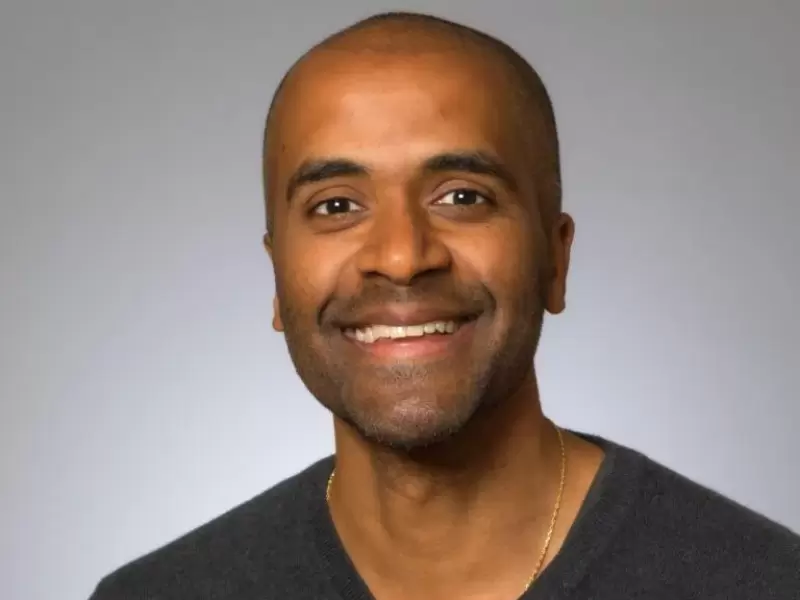
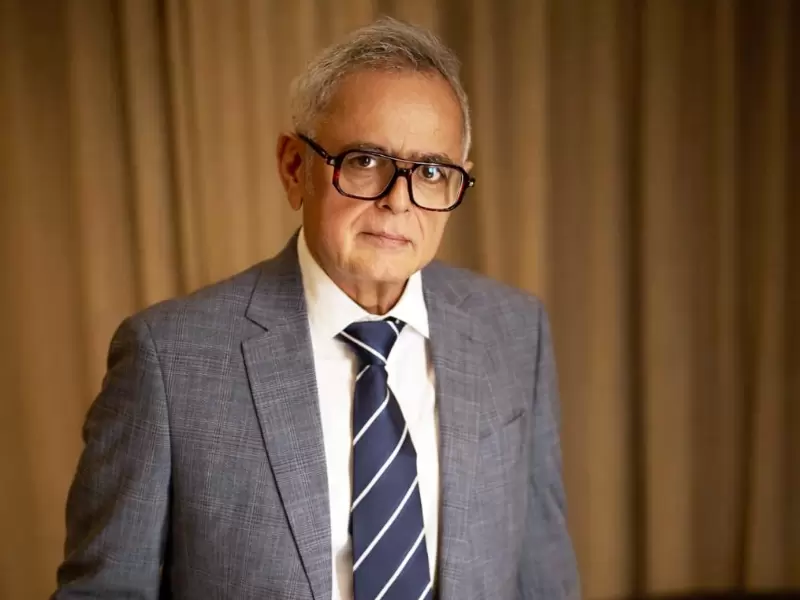
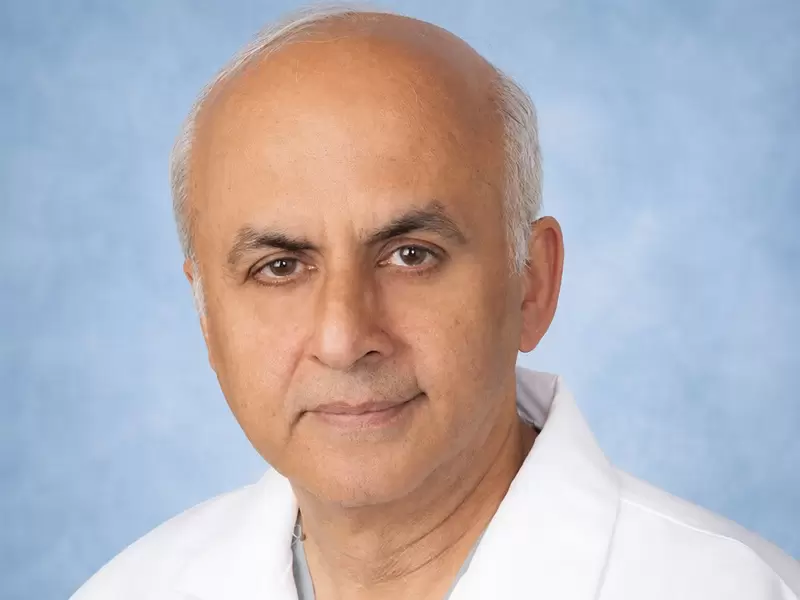
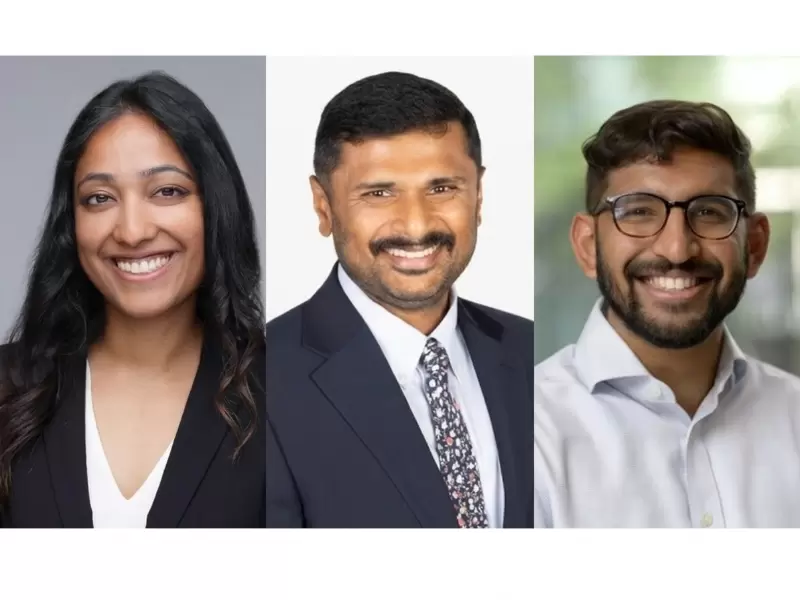 Meghana Pagadala, Rohan Katipally and Akshat Patel. / American Society for Radiation Oncology (ASTRO) Foundation
Three Indian-origin scientists are among 14 recipients of the American Society for Radiation Oncology (ASTRO) Foundation's $2.4 million in new research grants to advance patient care in radiation medicine.
The three scientists are Rohan Katipally, Meghana Pagadala and Akshat Patel.
The American Society for Radiation Oncology (ASTRO) and Speed of Light – The ASTRO Foundation announced $2.4 million in new research grants for 14 scientists working to advance patient care in radiation medicine. The 2026 awards are the first annual grants announced since ASTRO relaunched its foundation as Speed of Light earlier this year, with a renewed focus on accelerating research and strengthening the radiation oncology workforce.
The grants are made possible by donor support and partnerships with leading cancer research organizations, including the American Cancer Society (ACS), the American Association of Physicists in Medicine (AAPM), the Breast Cancer Research Foundation (BCRF), the LUNGevity Foundation and the Prostate Cancer Foundation (PCF).
"ASTRO and its nonprofit Foundation are committed to fostering progress in radiation medicine by investing in innovative research and the people driving it," said Vivek S. Kavadi, MD, MBA, FASTRO, CEO of ASTRO. "These awards come at a pivotal moment for the field, as scientific advances in radiation oncology are expanding even as research funding becomes more constrained. By supporting promising investigators, we can speed the translation of new discoveries into better treatments and cures for patients."
Katipally, MD, at the University of Chicago, received the grant under the Innovation Award to Optimize Combination Radiation Therapy and Immunotherapy.
“We are investigating how to best combine immunotherapy with radiotherapy in the curative treatment of head and neck cancer,” he said.
While some patients receive surgery followed by radiation with or without chemotherapy, definitive radiotherapy and chemotherapy without surgery are commonly recommended to maintain an acceptable functional outcome.
Recent clinical trials incorporating immunotherapy into treatment regimens for head and neck cancer have produced mixed results, highlighting the urgent need to better understand how these treatments should be combined to improve patient outcomes.
He said their research builds on the DEPEND trial, the first prospective trial to investigate neoadjuvant immunotherapy and chemotherapy before curative radiation and chemotherapy in patients with aggressive HPV-negative head and neck cancer.
“Using tumor tissue, blood samples and clinical data collected during the trial, we will examine which biological factors predict treatment response, cancer recurrence and patient survival. We will also investigate whether avoiding radiation to certain lymph nodes helps preserve the body's immune response against cancer,” he said.
Ultimately, he said their work aims to guide more effective treatment strategies and improve outcomes for patients with high-risk head and neck cancer.
Pagadala, MD, PhD, Memorial Sloan Kettering Cancer Center, received the grant under the James D. Cox Resident Research Award.
Her research decodes the spatial immune microenvironment of brain metastases.
Brain metastases, which occur when cancer spreads to the brain, affect up to 40% of patients with common cancers such as breast and lung cancer. Even with modern treatments like highly focused radiation and immunotherapy, many patients experience tumor regrowth because current clinical tools cannot fully explain why some tumors respond to treatment while others do not.
“Our research focuses on the tumor immune microenvironment, the network of immune cells that surround and interact with cancer cells. Our prior research suggests that where immune cells are located and how they interact may play a critical role in long-term tumor control,” she said.
“Using an advanced technology called spatial transcriptomics, which allows us to measure thousands of genes in individual cells while preserving their exact location within the tumor, we are studying human brain metastases to understand how radiation therapy reshapes immune cells and their organization within tumors,” she added.
The research aims to reveal why some patients achieve durable tumor control while others do not. Ultimately, this work will help guide more precise use of radiation and immunotherapy, improving outcomes and quality of life for patients with brain metastases, she said.
Patel, MD, Mass General Brigham, received the ASTRO Residents/Fellows in Radiation Oncology Seed Grant.
He said their research builds on a National Cancer Institute-sponsored clinical trial that evaluated an intensified treatment approach using FOLFIRINOX chemotherapy followed by chemoradiation and surgery for patients with locally advanced GE adenocarcinoma. With more than five years of follow-up now available, this unique patient cohort provides an important opportunity to study long-term outcomes from this trial and integrate advanced biomarkers.
“Through this work, we are helping to personalize treatment, support organ-preserving approaches for select patients, and advance the development of new biomarkers to improve outcomes for patients with this challenging cancer,” he said.
Discover more at New India Abroad.
Congratulations to the 2026 Innovation Award Winners:
— Speed of Light - The ASTRO Foundation (@SpeedofLightFdn) August 12, 2026
- Sabrina Campelo, PhD
- Rohan Katipally, MD
- Yvonne Mowery, MD, PhD
These awards will support research to better understand how to optimally combine radiation therapy and immunotherapy.
We look forward to recognizing them… pic.twitter.com/dRxQeZ06Mu
The 2026 awards are the first annual grants announced since ASTRO relaunched its foundation as Speed of Light earlier this year, with a renewed focus on accelerating research and strengthening the radiation oncology workforce.
Also Read: Indian-origin researcher awarded for prostate cancer study
“ASTRO and its nonprofit Foundation are committed to fostering progress in radiation medicine by investing in innovative research and the people driving it,” said Vivek S. Kavadi, CEO of ASTRO.
“These awards come at a pivotal moment for the field, as scientific advances in radiation oncology are expanding even as research funding becomes more constrained. By supporting promising investigators, we can speed the translation of new discoveries into better treatments and cures for patients.”
Since 2013, ASTRO and its Foundation, in collaboration with research partners, have awarded $15.8 million to more than 150 research teams. These investigators have subsequently attracted more than $90 million in follow-on funding, extending the impact of the combined investment.
Discover more at New India Abroad.
Leave A Comment
Related


ADVERTISEMENT

ADVERTISEMENT
E Paper
Video

Comments
Start the conversation
Become a member of New India Abroad to start commenting.
Sign Up Now
Already have an account? Login